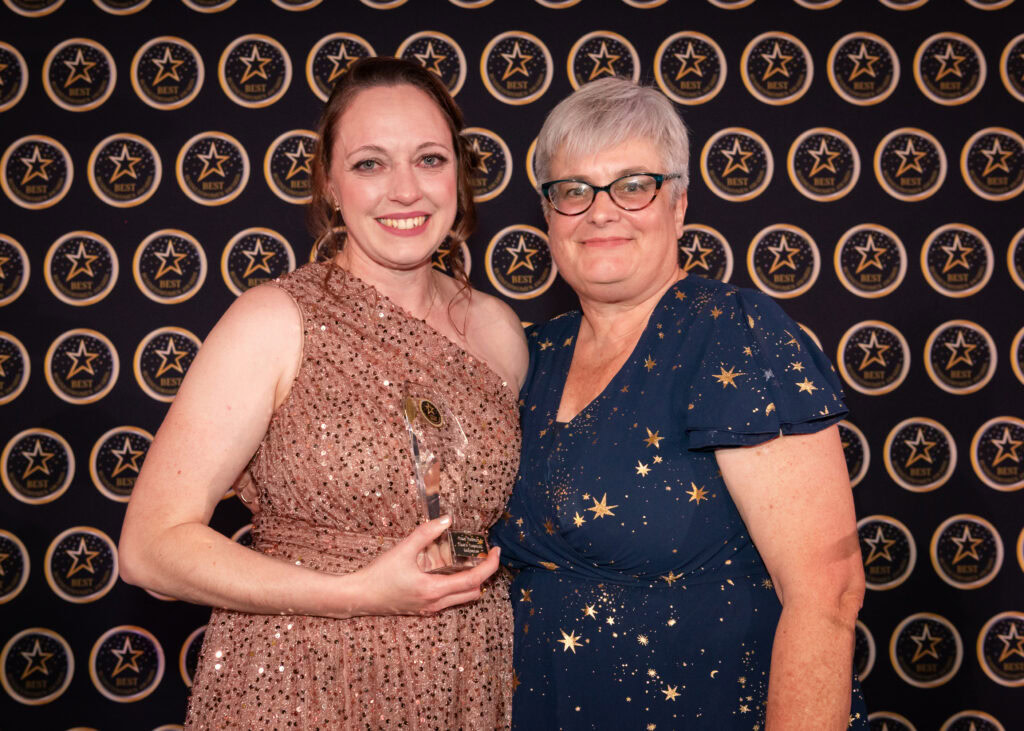
Fiona Scott, Owner of Leading PR Agency Scott Media, Explains How
Winning a business award is a fantastic achievement for you and your business. However, winning is only the start of the journey. You must publicise the news as widely as possible to create maximum impact. Reaching existing and potential customers, suppliers, and possible collaborators is essential so they can hear about your success. You’ll get more credibility, increase attraction to your brand, and generate growth opportunities.
But how do you get PR that makes an impact?
We asked PR expert Fiona Scott to give us the answers. Fiona has been a TV director and journalist and run her PR consultancy, Scott Media, for over seventeen years. She is ideally placed to help you make your award-win widely visible to your audience. She has also recently been named as one of the Top Five PR Advisers & Partners for SMEs in the UK by Enterprise Nation.
Press Releases – What to include
Your press release is designed to publicise your award win. But should you include your backstory?
Fiona says ‘absolutely’. “Everyone has many stories they could tell, so you have to judge how relevant they are to your business,” she says. The backstory provides journalists with context surrounding your business. Add details like when you started and why, major growth details, etc.
Fiona explains, “Your award win represents the present. Your backstory is the past. If relevant, you can finish on an element for the future. For instance, you may be launching a new product or service or releasing a book in the next twelve months.” A time-based structure is powerful as it demonstrates credibility through past, present and future.
The key is to tell your story concisely and in enough detail. A press release should be no more than 1000 words, but it should grab the attention with an eye-catching headline and a strong opening.
What format to use
Fiona insists you never send your press release as a PDF (unless specifically asked to). “I prefer sending a statement in the body of your email, but half of correspondents attach a Word document.” Word is more accessible for journalists than PDFs because it is so easy to cut and paste your content.
Photos are also helpful, but Fiona advises never to embed them in your release. “Attach photos as separate JPEGs to your email. Embedding them in the body of the release makes it much harder for journalists to cut and paste. They get so many emails; they’ll move on if it gets too difficult.” If you have multiple images from the awards evening, send them as a Dropbox or Google Drive link that is not password protected.
The theme is always about making it easy for the journalist. Fiona says a local journalist can get between 400 and 1000 emails a day. Any that appear convoluted are deleted. You’ll stand out if yours is easy to navigate.
PR no-nos
Firstly, don’t send a press release to a national journalist. It won’t get traction unless you are a significant national business. Identify local journalists who want to write about local people.
Secondly, never forget about your award. It’s incredible how many people are successful yet never mention it again. It will provide credibility for at least two years. Therefore, if another story of interest arises about your business, you’ll retain the credibility of being an award winner. Make the most of it because journalists are more likely to take note in the future.
Building relationships with journalists
Fiona is often amazed how little people network with journalists. “These people are super-connectors. They’re a small group and they all talk to each other.” In other words, getting to know a local journalist can open doors, make it easier to get PR, and get you some valuable advice.
“How many people make the effort to get to know a local journalist? They could offer to buy them a coffee, to have lunch. And then, equally important, follow up and build the relationship.”
Fiona has invited journalists to her PR training events to add significant value. “This year, I’ve tried to find national journalists prepared to meet small business owners, charity leaders, etc. Attendees get to meet these journalists, learn about PR, and follow them on social media so they can monitor what they’re looking for.” Having some level of contact gives you an advantage if you have experience that may be relevant to an article that the journalist is writing. They will always prioritise people they have met. So, Fiona emphasises developing and maintaining a conversation with them.
Finding the right PR consultant
Fiona offers her philosophy about working with clients: “I want to work with clients who I like and get and that needs to be mutual. I’ll help anybody but employing a PR agent is a financial commitment. Therefore, you must get on.”
Aside from the personal relationship, look at the type of clients a consultant works with, how effectively they’ve raised their visibility, and so on.
Using industry press
Using publications relevant to your sector can be highly effective. However, Fiona has some advice: “Always remember, an editor cannot use your stories month after month. Make sure you use them for the most impactful, maybe two or three times a year.”
She suggests you use the magazine sparingly or buy advertorial space throughout the year. Remember, charges will be based on the size of your sector. Construction, for example, comes at a premium. But always negotiate – there is always a deal to be done!
Whatever your business, PR is vital to growing your brand, building your credibility, and ensuring your audience hears about your successes. Do it right, and your business could fly. Take Fiona’s advice: get out there, meet some journalists, and use publicity to take your business forward.
You can connect with Fiona on LinkedIn here
Fiona has her own podcast ‘The PR No BS Podcast’ listen here
Listen to this interview on The Business Awards Show here
The No BS Media Summit
Gain the insider knowledge that transforms you from just another pitch to a trusted media resource.
Book HERE